A little kitchen know-how
Cannabutter vs. cannabis oil: which should you cook with?
You’ve picked a recipe. Now comes the cannabis question: should you make it with cannabutter or infused oil?
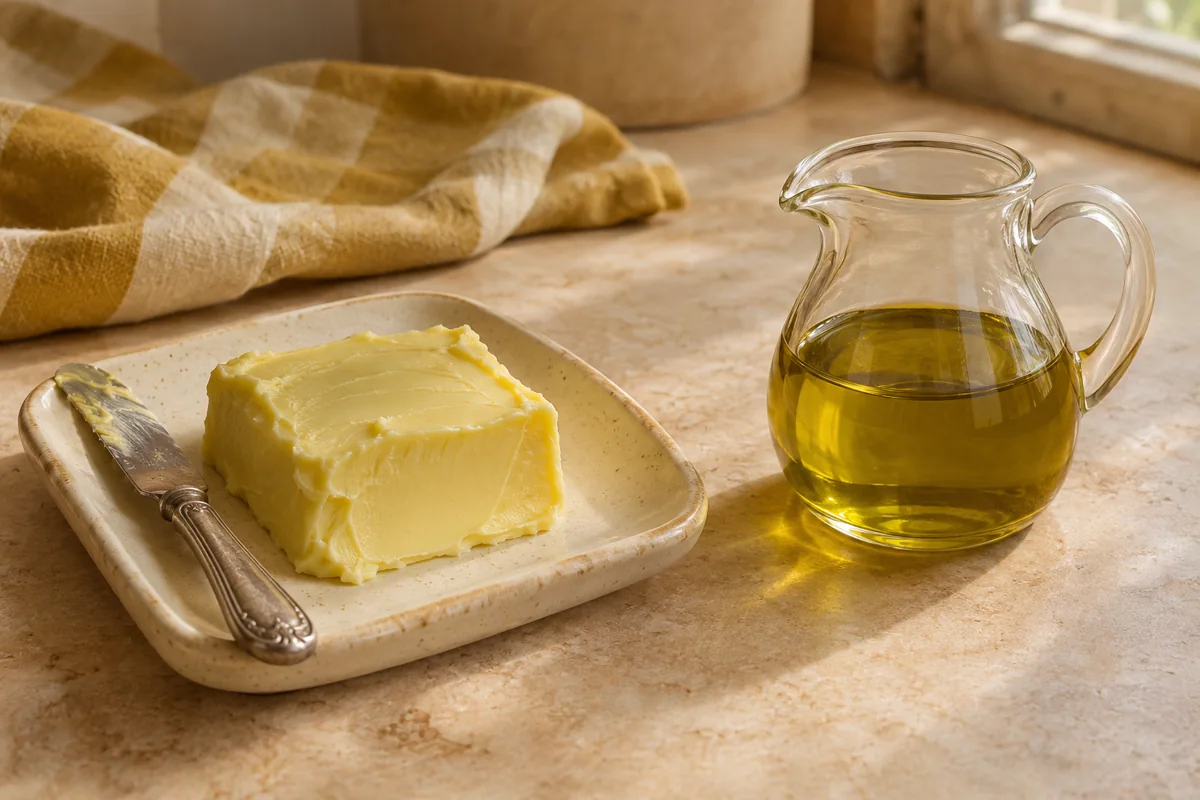
Both can work beautifully in food, but they don’t always work the same way. Butter brings its own flavor and helps create certain textures in baking. Cooking oils give you different flavors and consistencies to choose from. The best place to start is the recipe you actually want to make.
If it calls for butter, cannabutter is usually the more straightforward starting point. If it calls for oil, choose an infused cooking oil that suits the dish. Once you understand what that ingredient is doing, you’ll have a much easier time deciding whether to swap it.
What’s the difference between cannabutter and cannabis oil?
Cannabutter is butter infused with cannabis. You prepare the infusion first, then measure it into a recipe in place of some or all of the regular butter.
Cannabis-infused cooking oil is an edible oil that contains cannabinoids. It might be made with olive oil, coconut oil, or another cooking oil. The oil you choose still matters: infusing it doesn’t make its original flavor or cooking properties disappear.
In this guide, “cannabis oil” means an edible cooking infusion. The term also appears on other cannabis products, so check the label rather than assuming every bottle is suitable for your mixing bowl.
| What you’re making | A practical starting point | What to check |
|---|---|---|
| Cookies that call for softened butter | Cannabutter, with regular butter as needed | Whether the instructions beat butter and sugar together |
| A cake that calls for vegetable oil | A mild-flavored infused cooking oil | The amount and type of oil in the recipe |
| A buttery sauce or spread | Cannabutter | How much infused butter you want to use alongside regular butter |
| A dressing made with olive oil | Cannabis-infused olive oil | Whether its flavor suits the other ingredients |
| A recipe written specifically for Potency Booster | The listed Potency Booster option | The quantities and preparation instructions for that version |
These are starting points, not rules that every cookie or cake must follow. A recipe developed for oil can make an excellent cookie. It just may need a different formula from one developed for butter.
What butter brings to the batch
Butter does more than make things taste buttery. It contains fat, water, and milk solids, which all contribute to how food cooks and tastes.
That matters when you change ingredients. Replacing butter with the same amount of pure oil changes both the fat and water going into the recipe. In King Arthur Baking’s side-by-side cookie trial, changing the fat changed the cookies’ spread, texture, and flavor—even with the rest of the recipe held consistent. King Arthur Baking’s cookie comparison
There’s also the mixing method. When a recipe tells you to beat softened butter with sugar until fluffy, you’re incorporating air. Liquid oil doesn’t hold that air the same way. That’s why “replace the butter with oil” isn’t a complete instruction for every baking recipe. Milk Street’s substitution guidance
For a familiar butter-based cookie recipe, prepared cannabutter lets you stay closer to the ingredient the recipe was written around. Pay attention to its temperature, too: softened, melted, and cold butter aren’t interchangeable instructions.
What oil brings to the kitchen
“Oil” covers several ingredients, so it helps to be specific about which one you mean.
A mild cooking oil can let the chocolate, vanilla, or spices take the lead. An olive oil with a noticeable flavor becomes part of the dish. Neither approach is wrong; choose the flavor you want to eat.
Coconut oil deserves its own mention because it can be firm rather than pourable at room temperature. Virgin coconut oil generally contributes more coconut flavor, while refined coconut oil is a better option when you don’t want that flavor coming through. It isn’t automatically interchangeable with every liquid cooking oil. Harvard’s guide to coconut oil
For baking, an easy starting point is a recipe already written for your chosen oil. You can focus on measuring the infusion instead of changing the fat, mixing method, and texture all at once.
Can you substitute cannabis oil for cannabutter?
Sometimes—but read the method before changing the ingredient list.
If the recipe creams softened butter with sugar: look for an oil variation or choose a recipe developed for oil. A straight swap can change the structure.
If it uses melted butter: there may be more flexibility, but the amount of oil may still need adjusting because butter contains water.
If it cuts cold butter into flour: as with many biscuits and pastries, liquid oil won’t perform the same job. Those pieces of solid fat are part of how the recipe develops its texture. Milk Street explains these differences.
There are two separate decisions here: changing the kind of fat and changing how much of it is infused.
For example, if a recipe calls for four tablespoons of butter, using one tablespoon of cannabutter and three tablespoons of regular butter still gives you four tablespoons of butter. Pouring an extra tablespoon of infused oil on top gives you five tablespoons of added fat—and a different recipe.
Each block = 1 tablespoon
How much should be infused depends on its strength. The recipe’s butter allowance isn’t a recommendation to use that much cannabis.
Is cannabutter stronger than cannabis oil?
The name alone won’t tell you.
To compare two finished infusions, you need to know how much THC is in the amount you’ll actually use. A tablespoon of one cannabutter might contain more THC than a tablespoon of one oil—or less.
Here’s a hypothetical example:
- Infusion A contains an estimated 5 mg THC per teaspoon.
- Infusion B contains an estimated 10 mg THC per teaspoon.
- Two teaspoons of A and one teaspoon of B each supply an estimated 10 mg THC.
That comparison tells you about the amount of THC, not whether one batch tastes better or will feel identical to another.
With homemade infusions, concentration can be uncertain. The CDC notes that edible strength is often difficult to measure and that effects can be unpredictable. A calculated estimate should stay labeled as an estimate. CDC guidance on cannabis edibles
You don’t have to know the amount per teaspoon before opening our calculator. Start with the cannabis and batch information you have, or the strength listed on an already-infused product. Then enter how much infusion the recipe uses and how many portions you’re making.
Estimate your batch →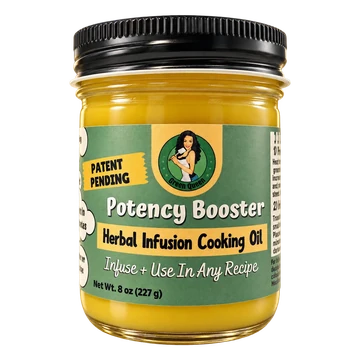
Your infusion, simplified.
Original Potency Booster is our cooking-oil blend for homemade cannabis infusions. Follow the jar directions to prepare your flower, then infuse for 20 minutes. Our recipes include a Potency Booster option with the amounts already worked out.
Meet Original Potency Booster →A few good questions
Is clarified butter the same as regular butter?
No. Clarified butter has had the water and milk solids removed, leaving the butterfat. That changes its composition, so it shouldn’t be treated as identical to regular butter in every baking recipe. Check whether your recipe specifies butter, clarified butter, or ghee. Land O’Lakes explains clarified butter.
Does coconut oil make edibles taste like coconut?
It can. Virgin coconut oil generally has a more noticeable coconut aroma and flavor. Refined coconut oil is usually more neutral. Check which kind you’re buying, especially if you’re making a savory dish where coconut wouldn’t be welcome. Harvard’s coconut oil guide
Can I mix infused and regular butter or oil?
Yes. For the simplest substitution, combine an infused fat with its non-infused equivalent: cannabutter with regular butter, for example.
Keep the combined amount within what the recipe calls for. Using less infused fat and more regular fat lets you change the estimated THC in the batch without adding extra fat to the recipe.
If you’re combining different kinds of fat, such as butter and liquid oil, use a recipe that accounts for both. The cookie still cares about its ingredients.
A question on the menu?
Ask away. There’s room for a little kitchen conversation.